
Welcome to Computing at Green Lane Primary Academy
“Everybody should learn to program a computer, because it teaches you how to think.” – Steve Jobs
At Green Lane Primary Academy, we believe that Computing is for everyone. Our vision is to give every child the knowledge, skills, and confidence they need to thrive in a digital world. We want our pupils to be more than just consumers of technology – we want them to be creative problem-solvers, logical thinkers, and safe digital citizens.
From the very beginning of their journey in EYFS, children start to build the foundations of computational thinking through play, patterns, and problem-solving. As they move through school, these skills are developed step by step so that by Year 6, pupils can confidently design, code, evaluate, and apply technology in purposeful ways. Our aim is for every child to leave Green Lane with the curiosity, resilience, and responsibility they need to succeed in the modern world.
Why We Love Computing
At Green Lane Primary Academy, we love Computing because it opens up a world of creativity, curiosity, and problem-solving. Computing is not just about using technology – it’s about understanding how it works and using it to create, explore, and make a difference. It helps us to think logically, work together, and prepare for the exciting opportunities of the future.
What Learning Looks Like
Our Computing curriculum is carefully planned to build knowledge and skills year by year:
- Laying the foundations in EYFS: We use Barefoot Computing to introduce children to the very first steps of computational thinking – exploring patterns, logical sequences, and creative problem-solving in fun and practical ways. This lays the foundation for everything that follows.
- KS1 & KS2: We use Teach Computing, developed by the National Centre for Computing Education (NCCE), which ensures that pupils meet all the National Curriculum requirements for Computer Science and Information Technology. Children learn how computers work, how to program, and how to use technology creatively and responsibly.
- Digital Literacy: We use Project Evolve throughout the school to support pupils in becoming safe, respectful, and responsible digital citizens. Lessons address real-life online scenarios, giving children the confidence to make positive choices in the digital world.
Our lessons are practical, engaging, and accessible for all. We make sure every child, regardless of background, can take part fully by reducing the digital divide through access to devices in school and by teaching skills that children can apply both inside and outside the classroom.
Talking, Exploring and Doing
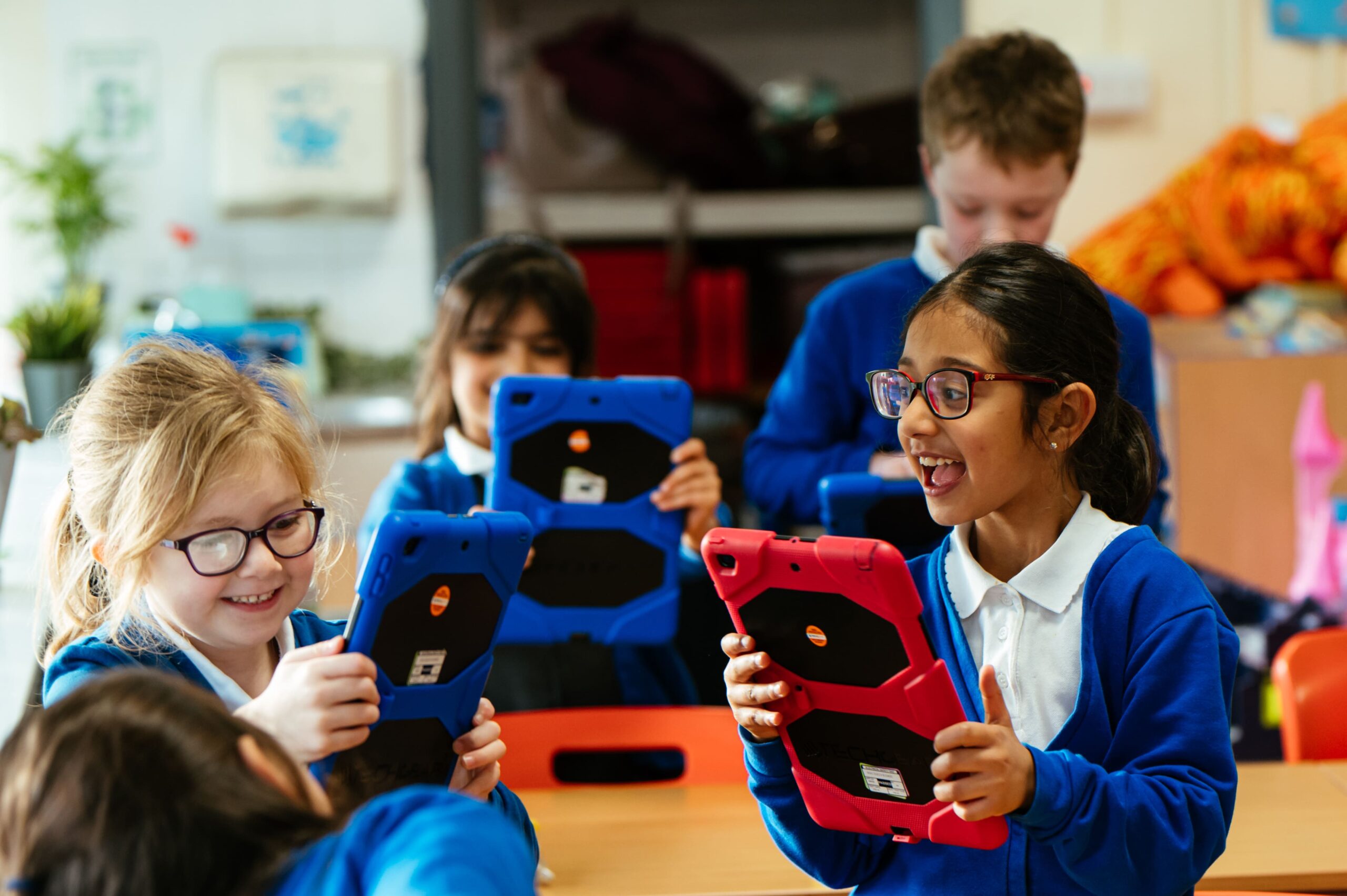
At Green Lane Primary Academy, we know that children learn best when they are given opportunities to talk about their ideas, explore possibilities, and actively do things for themselves. Our Computing curriculum is built around the key skills of computational thinking, which grow and develop from EYFS through to Year 6.
Through talking, pupils learn to explain their thinking, use the right vocabulary, and reflect on what they are doing. Through exploring, they are encouraged to experiment, spot patterns, and break down big problems into smaller steps. Through doing, they get hands-on with creating, tinkering, coding, and debugging – learning that mistakes are part of the journey and perseverance leads to success.
What Makes Us Special
What makes Computing at Green Lane special is our commitment to inclusion, creativity, and real-world relevance. We actively promote Computing as a subject for all, and we encourage girls and under-represented groups to see themselves as future coders, engineers, and digital creators. Through projects that link to everyday life – such as coding games, designing digital art, and raising awareness about online safety – children see the purpose and excitement behind what they are learning.
Technology is also embedded across the wider curriculum. Pupils use digital tools in subjects such as maths and science, showing them that Computing is not just a subject in its own right, but a skillset that supports their learning everywhere.
How We Know Children Are Succeeding
We know that children are making progress in Computing because we see it in their creativity, problem-solving, and confidence. Teachers assess learning by looking at what pupils can do in practical tasks, how they talk about their work, and the digital projects they create. We use the assessment tools built into Teach Computing to make sure children are on track and building their knowledge year by year. By the end of Year 6, our pupils are ready for the next stage of their education, with strong computational thinking skills, the ability to use technology responsibly, and the confidence to take on new digital challenges.
Key Documents
- Progression of Units from KS1 to KS2
- Teach Computing Road Map
- Computational Thinking
- Pedagogical Principles
Ideas for Computing at Home
At Green Lane Primary Academy, we want every child to feel confident and excited about using technology. You can support your child’s learning at home by exploring fun, safe, and free websites together. These resources will help your child build skills in coding, problem-solving, creativity, and staying safe online.
| Website | Description |
| Code.org | Try the “Hour of Code,” create games, animations and solve puzzles using coding blocks. |
| Barefoot Computing | Play games and do unplugged activities that build early computational thinking. |
| Teach Computing – NCCE | Explore the same resources we use in school; see how Computing develops year by year. |
| Raspberry Pi Projects | Make games, animations, and even physical projects using coding and creative tools. |
| Project Evolve | Explore age-appropriate lessons and resources about online safety, digital literacy, and making good choices online. |
| CodeMonkey | Learn coding through fun, game-based challenges. |
| Code for Life – Rapid Router | Progress from block coding to text coding while playing engaging puzzles. |
| UK Safer Internet Centre | Find advice, games and resources to help your child stay safe and kind online. |